Fallen Lineage Combat Guide
Plan every turn, prioritize threats, spend skills with intent, and stop throwing Lives away.
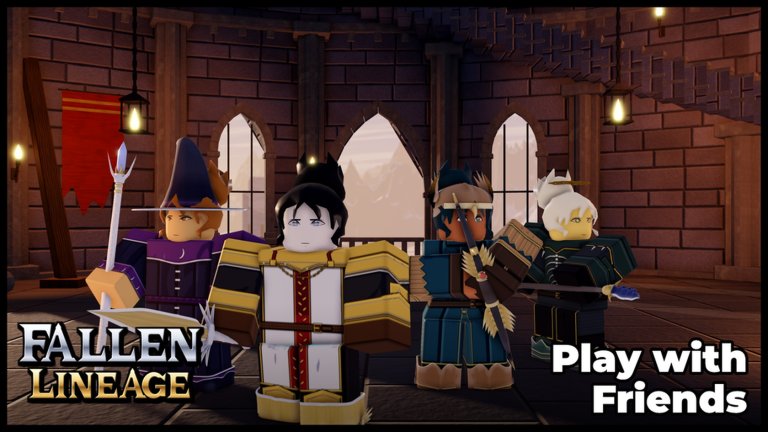
Combat is where Fallen Lineage decides if your hub prep mattered. The game is turn-based: you see the field, you choose actions, and the enemy answers. There is no movement mash to hide bad decisions. This Combat Guide focuses on turn order thinking, targeting discipline, skill timing, Lives economy, and how solo fights differ from a party of four.
Pair this page with Getting Started if you are still learning the hub, and with Best Builds plus the Class Tier List when kit choice is the real problem—not execution.
Turn order mindset
Before you click anything, ask three questions:
- Who can end a run member this round if ignored?
- Who becomes trivial if controlled or broken now?
- Which ally action enables the rest of the party?
Write those answers as a callout if you are grouped. Silent parties default to everyone hitting the lowest health bar, which is often the wrong bar. Turn order is not only whose portrait glows first—it is whose decision removes the most future damage.
New players treat each turn as an isolated attack. Veterans treat each turn as a budget: damage budget, control budget, and survival budget. If you spend the whole budget on damage while a nuke telegraph is up, you did not “play aggressive.” You donated a Life.
Targeting rules that cut wipes
Priority one: lethal threats. Any enemy that can remove an ally before they act again is ahead of a nearly dead add that cannot act.
Priority two: enablers. Healers, buffers, and summoners often matter more than the big visible brute.
Priority three: cleanup. Finish low targets only when they still pose a turn or when you need to free an ally from a bad board state.
Announce the focus target. Rogue, Archer, and burst Mage branches waste value when they split. Warrior, Lancer, and front-line Chaos or Order paths should create space so backline kits get clean casts. Bard windows are useless if the party never waits one beat for the buff.
Skills are tools, not fireworks
Every class kit has buttons that look exciting and buttons that win runs. Defensive skills, interrupts, marking tools, and party utility often outperform raw damage on hard fights. Examples of fantasy that change skill jobs:
- Warrior paths toward Order Knight, Neutral Sellsword, or Chaos Berserker change whether you are peel, flexible damage, or greed pressure.
- Rogue into Duelist, Assassin, or Outlaw changes duel versus execute versus chaos tempo.
- Mage into Priest, Druid, or Pyromancer swings support versus hybrid versus burn.
- Lancer into Sentinel, Dragoon, or Gladiator shifts guard, dive, and arena control.
- Bard into Herald, Skald, or Jester changes how you time party spikes.
- Archer into Marksman, Gunner, or Ranger changes single-target, magazine pressure, and kiting patterns.
You do not need perfect branch theory on day one, but you must know what your current buttons are for. If a skill prevents a Life loss, that is a damage-equivalent win.
Crit chance after the November 14, 2026 rework
Trello’s Crit chance card (dated 14/11/26) marks a heavy nerf and new formula. Use only the published math:
- Base crit chance: 5%
- Agility contribution: +0.01% crit chance per Agility
- Example: 150 Agility ≈ 20% crit chance from base + Agility
- Other sources: multipliers on that line—not unrestricted flat stacking the old way
Build implication: do not plan turns around pre-rework crit rates. If a kit needed frequent crits to feel complete, fix targeting and defensive spends first, then re-check Agility investment and gem choices on Forge and Gear and Best Builds. Timeline context lives on Updates. We do not invent extra percentages beyond the Trello card.
Resource and Lives management
Lives are the roguelite spine. Each preventable death teaches a cheaper lesson if you pause and name the mistake: wrong target, early ultimate, ignored telegraph, no caller. Do not “int for content” to feel faster. A run that ends with Lives remaining can still be a practice success if you executed the plan.
Other resources—skill charges, temporary buffs, positioning constraints inside the turn UI—should be spent to protect Lives first on spike turns, then to accelerate once the board is stable. Greedy burn phases are allowed after lethal tools are answered, not before.
When you repeatedly lose the same way, the fix might be mechanical (this guide) or structural (race and class). Structural fixes live on Best Builds and Rerolls & Lives. Mechanical fixes are callouts, slower turns, and fewer ego buttons.
Solo combat versus party combat
Solo: You are tank, caller, and cleanup. Pick safer lines, value control skills, and accept longer fights. Race choices with survival tools—Sobekan Max HP, Kepra Dawn heals, or Anubar Imyut self-heal Cull—can matter more than pure Mythic damage fantasies when you have no backup. See Race Tier List for context, but do not reroll mid-panic—finish the fight first.
Party of four: Appoint a caller. Spread roles so four DPS egos are not competing for the same turn. The caller names target and whether the turn is “kill,” “control,” or “stabilize.” Everyone else follows. After a wipe, review one decision, not twelve personalities.
Practice drill for the next three fights
- Fight one — only practice calling a single focus target every round.
- Fight two — ban attacking a non-threat while a lethal enemy is up.
- Fight three — force one defensive or utility skill on the spike turn even if a kill feels close.
Log what still fails. If execution is clean but kits feel empty, leave combat practice and rebuild with Best Builds. If you are still lost in menus, return to Getting Started and How to Play.
Fallen Lineage combat rewards patience. The players who climb are not the ones with the flashiest crit clips—they are the ones who spend fewer Lives per lesson.
Frequently Asked Questions
Quick answers to the most common questions.
What should I target first in Fallen Lineage combat?
Whatever can kill or disable a run member this round. Lethal threats beat low-health distractors.
How do Lives work in a fight?
Lives are your fail buffer across the run. Preventable deaths spend them; protecting Lives is part of winning.
Is combat different solo and in a party?
Yes. Solo players must cover every role gap. Parties of up to four need a caller and split responsibilities.
When are defensive skills better than damage?
On spike turns where an enemy can remove someone. A saved Life is worth more than a slightly faster clear.
How does crit chance work after November 14, 2026?
Base 5% plus 0.01% per Agility (about 20% at 150 Agility). Other crit sources are multipliers. Confirm live tooltips and the Updates hub if a later patch retunes the card.